Virtual Community Engagement Meeting – March 6th
Summary of Frequently Asked Questions (FAQs)
Response Summary
This document provides clear and concise answers to the most common questions received prior to the Virtual Community Engagement Session. It is designed to offer transparency, clarify key details, and ensure all stakeholders have consistent and accurate information regarding the programs and services.
Question: How to refer clients
Response:
Referrals to the program can be sent to [email protected], and a Counsellor will follow up accordingly.
No drop in intakes or inquiries will be accepted at 276 Aberdeen Avenue program location.
Question: In general, I’d like to know about the program model and how clients access services
Response: The program follows an abstinence-based residential treatment model designed to support both the physical and emotional aspects of recovery. Clients receive comprehensive care through a multidisciplinary team who work collaboratively to support each individual’s recovery journey.
To ensure a safe and supportive environment for both residents and the surrounding community, the facility will have 24/7/365 onsite security personnel. Community safety remains a top priority for the Hamilton Urban Core team.
During their stay, clients participate in structured clinical programming and recovery supports. As clients approach completion of the program, a comprehensive transition and recovery plan is developed by the care team to identify post-treatment priorities, connect clients with community supports, and support long-term recovery goals. Following discharge, staff remain connected with clients through ongoing aftercare supports to help sustain recovery and stability.
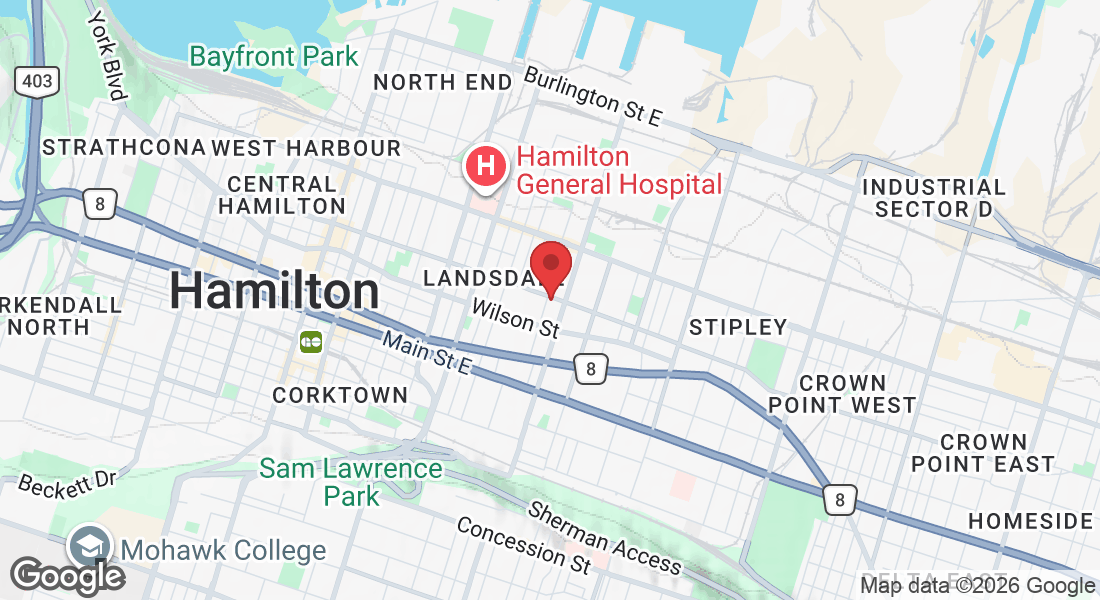
Clients also have access to additional health and social services through Hamilton Urban Core Community Health Centre at 430 Cannon Street East, where they can receive ongoing primary care, mental health services, addiction supports, and other wraparound services that support successful reintegration into the community.
Referrals to the program can be submitted via email at [email protected], after which a counsellor will follow up.
Please note that drop-in inquiries or intakes will not be accepted at the residential program location at 276 Aberdeen Avenue. All referrals must be made through the centralized referral process.
Question: Opportunities for community-based research
Response: That is an important area we are interested in exploring. Community-based research can play a valuable role in helping us better understand what is working well and where improvements can be made. Hamilton Urban Core has a long history of working with community partners, healthcare providers, and academic institutions to support evidence-informed approaches to mental health, addiction services, and harm reduction.
As the Residential Treatment & Recovery Program becomes established, there may be opportunities to collaborate with research partners, community organizations, and people with lived experience to study program outcomes, community impact, and best practices in recovery support. Any research would be conducted in accordance with appropriate ethical standards, privacy protections, and community engagement principles.
Our goal would be to ensure that any research undertaken benefits both program participants and the broader community, while contributing to learning that can strengthen addiction and mental health services more broadly.
Question: How can we as neighbours help support the HUB is getting set up and feeling welcomed?
Response: One of the most meaningful ways neighbours can support the HUB is by staying engaged, asking questions, and participating in constructive dialogue through forums like the Neighbourhood Liaison Table and community meetings. Creating a welcoming and respectful environment helps support both the staff who will be delivering the program and the individuals who are working toward recovery. Recovery is strengthened when people feel part of a supportive community, and your openness and willingness to stay connected can make a real difference.
Question: Why this location? Which is problematic. How can you monitor what residents do outside of treatment center?
Response: The location was selected because the building is suitable for delivering a residential treatment and recovery program and allows Hamilton Urban Core to expand access to much-needed health and recovery services in the community. The program is abstinence-based and is designed as a structured, supervised treatment environment with trained staff on site and clear operational policies to support participants and ensure responsible program management.
Residents who need to leave the treatment centre will be escorted by a staff member. If concerns arise in the neighbourhood, residents will have clear communication channels to contact Hamilton Urban Core directly, and those concerns will be addressed promptly. The Neighbourhood Liaison Table also provides an ongoing forum for residents to raise issues and work collaboratively with the Centre to address them.
Question: What experience does HART have with residential treatment facilities?
Response: Hamilton Urban Core Community Health Centre has over 30 years of experience providing health and social services to vulnerable residents in the Hamilton community, including people living with mental health and substance use challenges. Throughout that time, the Centre has developed deep expertise in delivering community-based care, harm reduction, and addiction support services.
For example, Hamilton Urban Core previously operated Hamilton’s Consumption and Treatment Service (CTS), which provided supervised care, harm reduction support, and connections to treatment and recovery services. Through programs like this, the Centre has built strong clinical, operational, and community partnership experience in supporting individuals with complex needs.
The Residential Treatment & Recovery Program builds on that long-standing experience. It brings together trained staff, evidence-informed practices, and partnerships with healthcare and community service providers to support individuals who are ready to take the next step in their recovery journey. Our experience over the past three decades has shown that structured care, compassionate support, and strong community partnerships are essential to helping people move toward stability and recovery.
Question: I’m most concerned with knowing how we can support our new neighbours in their recovery and will there be a role for development of such support activities?
Response: One of the most meaningful ways neighbours can support recovery is simply by helping to foster a respectful and welcoming community environment. Recovery is strengthened when individuals feel that they are part of a community that treats them with respect, dignity and understanding.
The Residential Treatment & Recovery Program will primarily focus on structured treatment and clinical supports delivered by trained staff, but community understanding and compassion play an important role in long-term recovery.
As the program becomes established, Hamilton Urban Core will continue to explore appropriate ways for the community to stay connected and informed, including through the Neighbourhood Liaison Table. These conversations can help identify opportunities for positive community engagement while ensuring that the program remains focused on providing a safe and supportive treatment environment for participants.
Question: It is my understanding that there was no formal zoning review with the city prior to deciding to choose this location, are you concerned that you may not be legally able to operate here?
Response: Early in the planning process, Hamilton Urban Core had preliminary conversations with the City of Hamilton to better understand the zoning classification of the building and the types of services that could be operated at this location. Those discussions were an important step in determining whether the site would be appropriate for the Residential Treatment & Recovery Program.
As the project moves forward, Hamilton Urban Core continues to work with the City through the appropriate processes, including building permits and any required approvals, to ensure the program operates in full compliance with municipal regulations and requirements.
Our goal is to move forward responsibly and transparently, and we will continue to keep the community informed as the project progresses.
Question: Do any of the board members have medical training or experience working with patients who have received mental health and addiction services? How will you measure success of this program? Are you working in partnership with St Joes?
Response:
Board Expertise
The Board of Directors at Hamilton Urban Core Community Health Centre is responsible for governance and strategic oversight, rather than the day-to-day operations of programs. The board is composed of individuals with a range of professional backgrounds and lived experiences that reflect the community we serve. While some members bring experience related to healthcare, community services, or governance in the health and social services sector, the clinical design and delivery of programs are led by qualified healthcare professionals and operational leadership within the organization.
Measuring Program Success
Success for the Residential Treatment & Recovery Program will be measured through a number of indicators. These include participant engagement in treatment, stabilization and recovery progress, successful transitions to ongoing supports such as housing or community care, and overall program utilization and outcomes. The program will also be monitored through operational oversight, reporting requirements, and feedback from participants, staff, and community partners to ensure it is meeting its intended goals.
Partnerships with Healthcare Providers
Hamilton Urban Core works collaboratively with a range of healthcare and community partners across Hamilton to ensure participants can access the full continuum of care they may need. This includes connections with hospitals, primary care providers, mental health and addiction services, and other social supports. These partnerships help ensure that individuals receiving treatment are able to access the broader healthcare system when additional medical or specialized services are required.
Question: How can I support?
Response: One of the most meaningful ways residents can support the program is by helping to foster a respectful and welcoming community environment. Recovery is strengthened when people feel they are part of a community that treats them with dignity and understanding.
You can also stay engaged by following updates, participating in community meetings, and sharing constructive feedback through forums like the Neighbourhood Liaison Table. Open dialogue and community understanding play an important role in helping programs like this succeed and supporting individuals as they work toward recovery.
Question: How is the set-up proceeding? Is there hope of receiving residents in the next few months?
Response: The project is continuing to move forward through the necessary planning and preparation steps. At this time, there is no confirmed date for when renovations at the facility will begin, as we are still working through the required approvals and processes.
Because the renovation timeline has not yet been finalized, we cannot confirm whether residents will begin arriving within the next few months. Our priority is to ensure that everything is in place, from the physical space to staffing and operational supports, so the program can operate safely and effectively once it opens.
As timelines become clearer, updates will continue to be shared with the community through the Neighbourhood Liaison Table and other communication channels, so residents remain informed as the project progresses.
Question: How does HUC plan to move forward with the HART house given the court injunction filed? What else can be done to support the HART opening?
Response: At this stage, the project is continuing to move through the necessary planning and approval steps. As of today, there is not yet a confirmed date for when renovations at the facility will begin. Those timelines will depend on completing the required approvals and preparations to ensure the work is done properly and in compliance with all City requirements.
Because the renovation schedule has not yet been finalized, there is also no confirmed date for when residents would begin moving into the program. Once we have clearer timelines for the renovation work and program readiness, we will continue to share updates with the community through the Neighbourhood Liaison Table and other communications channels. Our goal is to move forward in a careful and responsible way while keeping residents informed as the project progresses.
Question : Why did you pick this location and not something closer downtown Hamilton? Are the people that live in Kirkendall neighborhood in need of this service or are people that live closer to the downtown core in need of this service? Answer with research (percentages and stats) please.
Response: It is important to understand that substance use and mental health challenges are not limited to one neighbourhood in Hamilton as this issue affects people across the entire city. The goal of the Residential Treatment & Recovery Program is to provide treatment and recovery support for people from across Hamilton and the broader region, not just from a single neighbourhood.
From a research and data perspective, Hamilton has been facing a significant addiction and opioid crisis for several years. For example:
· In 2025, Hamilton paramedics responded to approximately 1,160 suspected opioid overdoses, showing the scale of the issue across the city.
· In 2023 there were about 199 suspected drug-related deaths in Hamilton.
· The rate of opioid-related deaths in Hamilton has been significantly higher than the Ontario average, at times over 40–47% higher than the provincial rate.
· Historically, Hamilton has also seen opioid overdose emergency visits far above provincial averages, highlighting a sustained need for treatment services.
These numbers demonstrate that addiction and mental health challenges are a city-wide public health issue, not something confined only to the downtown core.
It is also important to recognize that many overdoses occur in private homes (about 64%), which means people struggling with addiction live throughout Hamilton and not only in the downtown area.
Because of this, treatment and recovery services need to exist throughout communities, rather than being concentrated in one part of the city. Locating services across neighbourhoods helps ensure people can access treatment and recovery supports in a structured environment while also avoiding concentrating all services in one area.
Finally, the purpose of the Residential Treatment & Recovery Program is not to bring problems into a neighbourhood, but to help people stabilize, receive treatment, and move forward in recovery. These programs are evidence-based and are part of a broader healthcare response to a significant public health challenge that affects the entire Hamilton community.
Question : The goals
Response: The primary goal of the program is to support individuals living with substance use challenges to achieve sustained recovery, improved health, and successful reintegration into the community. The program provides a structured and supportive environment where residents can focus on healing and rebuilding their lives.
Key goals of the program include:
Supporting recovery from substance use through an abstinence-based and evidence-informed residential treatment model.
Improving physical and mental health outcomes.
Building life skills and stability, including coping strategies, relapse prevention, and personal development.
Connecting clients to ongoing supports such as primary care, mental health services, housing supports, and community resources.
Promoting long-term recovery and reintegration, with individualized transition planning and aftercare supports following program completion.
Through this integrated approach, the program aims to help individuals not only address substance use, but also rebuild stability and create a pathway toward long-term recovery and wellbeing.
Question : What is the current timeline for progress/opening?
What attempts have been made to engage neighbours since the open house?
Response:
Current Timeline for Progress / Opening
The project readiness planning continues to move forward; however the timeline is still dependent on completing the remaining steps required before renovations can begin. At this time, building and renovation approvals with the City of Hamilton are still pending, and as a result there is not yet a confirmed start date for the renovation work at the facility. Because the renovation schedule has not been finalized, we are not yet able to confirm a specific opening date or when the first residents will be welcomed. As soon as timelines become clearer, updates will be shared with the community.
Engagement with Neighbours Since the Open House
Since the open house, Hamilton Urban Core has taken several steps to continue engaging with neighbours and the broader community. These include:
· Establishing the Neighbourhood Liaison Table (NLT) to create a structured forum for ongoing dialogue with residents.
· Holding three NLT meetings to date (December, February, and March), with monthly meetings planned moving forward.
· Expanding resident participation at the NLT to include a broader range of neighbourhood perspectives.
· Sharing program information and updates with NLT members to support transparency and discussion.
· Posting meeting agendas, minutes, and information on the website so the broader community can stay informed.
The goal of these efforts is to ensure there are clear and ongoing opportunities for residents to ask questions, raise concerns, and remain informed as the project progresses. The next Neighbourhood Liaison Table meeting is currently scheduled for April 13, 2026.
Question :
Can you please tell me what specific approvals are still pending for the Aberdeen HART Hub?
When do you expect to secure them?
When do expect to welcome the first clients and is the total number of beds still 18?
Response: At this stage, the project is continuing to move through the necessary implementation steps. The key approvals that are still pending relate primarily to building and renovation permits with the City of Hamilton, which are required before construction work on the facility can begin.
As of today, there is not yet a confirmed date for when the renovations will commence, as those timelines depend on completing the remaining approvals and ensuring all requirements are met. Because the renovation timeline is not yet finalized, we are not able to confirm a specific date for when the first clients will be welcomed into the program. Once we have greater clarity on the renovation schedule and operational readiness, we will share updates with the community.
With respect to capacity, the current program design continues to anticipate approximately 18 residential treatment beds, although final operational details will be confirmed as the project moves closer to launch.
Our goal is to move forward carefully and responsibly, ensuring the facility, staffing, and program supports are fully in place before welcoming residents. Updates will continue to be shared through the Neighbourhood Liaison Table and other communication channels as the project progresses.
Question : What is the eligibility criteria for the programs and the referral process?
Response: The program is designed for adults who are experiencing substance use challenges and are seeking structured residential treatment and recovery supports.
Eligibility criteria include:
Individuals aged 18 years and older.
Individuals who are motivated to participate in an abstinence-based residential treatment program.
Individuals who are medically and clinically appropriate for a residential treatment setting, as determined through the intake and clinical assessment process.
Individuals who are willing to participate in the program’s therapeutic activities and follow program guidelines.
Referral Process:
Referrals can be made by healthcare providers, community organizations, or other service providers supporting individuals with substance use challenges. All referrals should be submitted via email to [email protected]. Once a referral is received, a counsellor will follow up to complete the intake screening and assessment process to determine program suitability and next steps.
Please note that drop-in inquiries or walk-in intakes will not be accepted at the residential program location at 276 Aberdeen Avenue. All referrals and inquiries must go through the centralized referral process to ensure appropriate screening and coordination of care.
Questions
1.What will be your criteria for choosing participants?
2.How many participants would the program have long term?
3.What will you do if participants have no place to go upon program completion?
4.What kind of post-program follow-up will you include?
5.Will former participants return to the house for further treatment?
6.How much will you pay the psychologists? Can you afford staff with wide experience?
7.. Why did you not look for a location where participants could have access to nature, a great healer?
8.What is your response to the local opposition?
9. How will you communicate more effectively with the community? Announcing a Friday night meeting through the local councillor is not very effective. Many people do not read her newsletter. And many people are having supper and de-compressing after the work week on Friday evenings.
10. Why not set up an email pool where you can easily email interested citizens?
11. How many local individuals will be on your board for this project?
Responses:
1. What will be your criteria for choosing participants?
Participants will be referred through appropriate healthcare and community service pathways based on their need for residential addiction and recovery support. Admission will be guided by clinical assessment, program suitability, and readiness to engage in treatment, ensuring the program is able to provide the appropriate level of care and support.
2. How many participants would the program have long term?
The current design for the Residential Treatment & Recovery Program anticipates approximately 18 residential treatment beds. Participants would stay for a defined treatment period and then transition to other supports, meaning different individuals would benefit from the program over time. Any plans for expansion to increase resident capacity will be communicated as program plans continue to develop.
3. What will you do if participants have no place to go upon program completion?
Part of the program’s focus will be supporting participants in planning their next steps before they complete treatment. Staff will work with community partners to help connect individuals to housing supports, employment, outpatient care, primary healthcare, counselling services, and other recovery resources to help them continue their recovery journey.
4. What kind of post-program follow-up will you include?
Following completion of the residential program, clients will be supported through a structured aftercare and follow-up process designed to promote long-term recovery and stability.
Each client will leave the program with an individualized transition and recovery plan developed in collaboration with the care team. This plan will identify key next steps such as, mental health supports, primary care follow-up, housing stability, employment or education goals, and connection to community resources.
The goal of these follow-up supports is to ensure clients remain connected to care, supported in their recovery journey, and equipped with the resources needed to sustain long-term wellbeing and reintegration into the community.
5. Will former participants return to the house for further treatment?
Residential treatment programs typically focus on supporting individuals through a structured period of recovery care. If someone requires additional support in the future, they will need to be assessed again through appropriate clinical pathways to determine the most appropriate services available at that time.
6. How much will you pay the psychologists? Can you afford staff with wide experience?
Staffing decisions and compensation structures are operational matters managed by the organization’s leadership team in alignment with funding guidelines and sector best practices. Hamilton Urban Core has more than 30 years of experience operating community health programs, and the organization recruits qualified professionals who bring the appropriate expertise in mental health, addiction treatment, and recovery support and compensation is determined based on the salary levels approved by the Funder.
7. Why did you not look for a location where participants could have access to nature, a great healer?
Access to outdoor space and wellbeing supports is certainly important. At the same time, treatment programs must also consider availability of suitable facilities, accessibility to services, and operational feasibility. The program will focus on providing structured clinical and recovery supports, while also encouraging healthy activities that contribute to wellbeing.
8. What is your response to the local opposition?
We are aware that some residents have concerns, and over the last few months we have carefully listened to these concerns and ensured they were respectfully addressed. Our approach has been to create opportunities for open dialogue, such as the Neighbourhood Liaison Table and community meetings, so questions can be raised and discussed constructively. Our goal is to work collaboratively with residents and the community while delivering an important health service that helps vulnerable people move towards recovery.
9. How will you communicate more effectively with the community?
We recognize that different residents prefer different ways of receiving information. Currently, we are using multiple communication channels, including community meetings, the Neighbourhood Laision Table, website updates, and other forms of outreach, to ensure residents can stay informed and engaged.
10. Why not set up an email pool where you can easily email interested citizens?
Response: Establishing a community email distribution list is something we can explore internally so residents who wish to receive updates can easily stay informed about program developments, meeting dates, and other relevant information.
11. How many local individuals will be on your board for this project?
Hamilton Urban Core Community Health Centre is governed by a Board of Directors that provides strategic oversight for the organization as a whole, rather than for individual projects. Board members are selected to reflect a range of professional expertise, community perspectives, and lived experiences and they provide governance oversight while operational decisions are led by the organization’s leadership team.
Get In Touch
Address
Main: 430 Cannon St East, Hamilton, ON L8L 2C8
Satellite: 70 James St. S, Hamilton, ON L8P 2Y8
Hours of Operation
Mon, Tues, Thurs: 9am – 8pm
Wed: 1pm - 5pm Fri: 9am – 5pm
Third Fri: 9am-8pm
Third Sat: 10am - 2pm
Phone Number